Do You Need a Lawyer for a Premises Liability Case?
Premises liability settlements can vary from one case to another. Some cases resolve for around $10,000, while others reach more than $2 million. Several factors such as the gravity of the injuries, the available evidence, and how easily the owner’s negligence can be proven will determine the value of a premises liability case.
“Do I need a lawyer for my premises liability case? "This question often gets asked by people who suddenly find themselves dealing with a premises liability accident. The answer isn’t standard but will depend on elements such as the case circumstances, injury severity, and liability clarity.
Most individuals don’t make those choices clearly but will choose under duress or in confusion with little or inadequate information about what they need to do next.

What Counts as Premises Liability
When someone is injured on someone else's property, may it be in a house, business, apartment complex, or parking lot or due to an unsafe condition, premises liability is applicable. In a premises liability case, whether the owner of the property knew about the danger or should have reasonable knowledge about it will be looked at. Courts will also check if the owner made an effort to fix the hazard or alert guests to them.
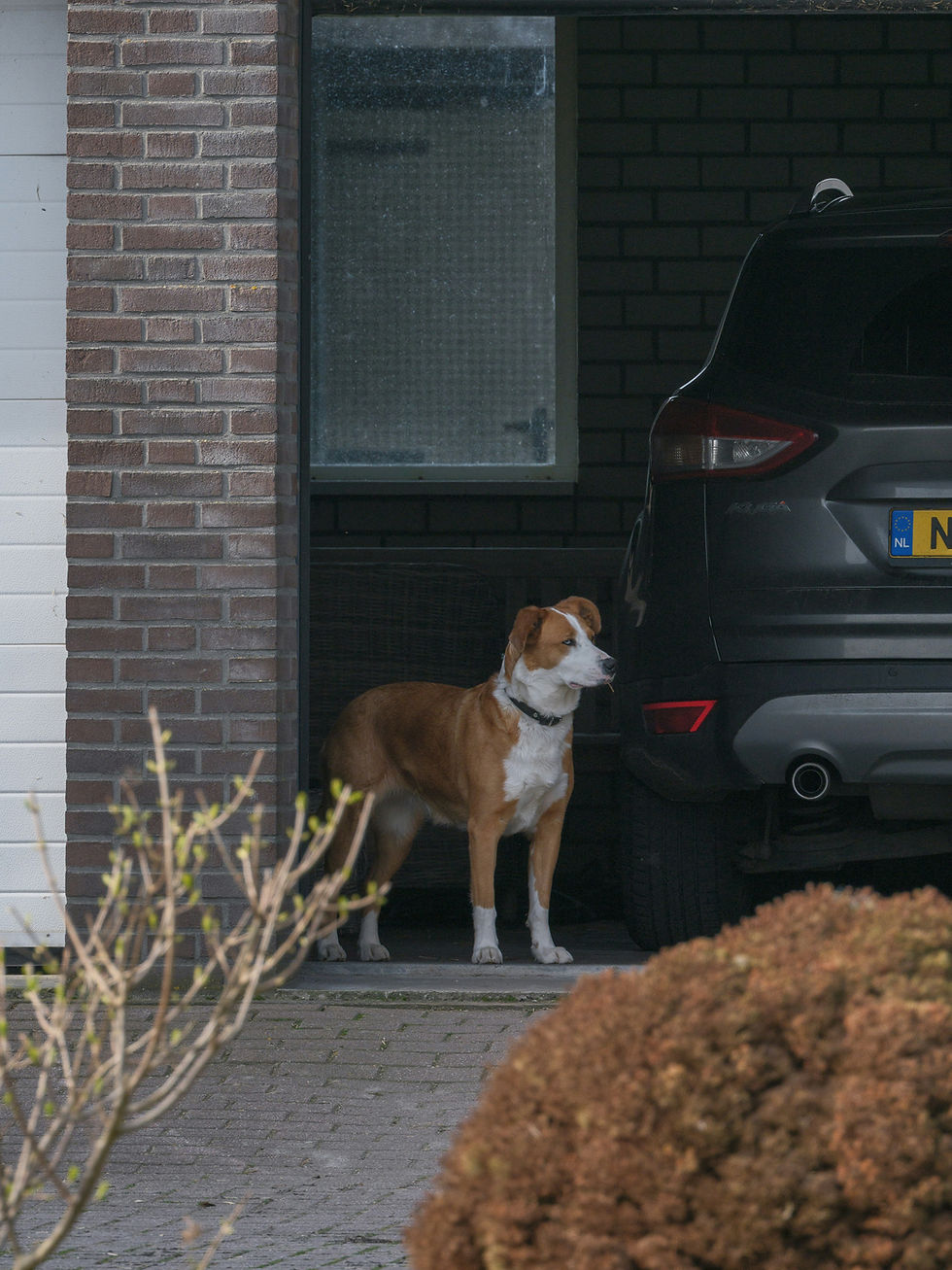
Falls are especially common in premises cases involving older adults. CDC data shows more than 14 million adults 65 and older report a fall every year. Dog bites, swimming pool incidents, and negligent security in poorly lit parking lots or apartment common areas round out most of the rest.
The Part Insurance Companies Don't Advertise
A premises liability claim isn't a fight between you and the person who owns the property. It's a negotiation with that owner's insurance carrier, and that carrier's entire financial incentive runs in the opposite direction of yours.
Adjusters are trained to minimize payouts, and they're good at it. Should you choose to make a recorded statement after your fall, you might end up saying things that you never intended to. These statements may compromise your claim even when you had no intention for it to be so.
Proving negligence requires showing four things. The plaintiff must show that the property owner owed a duty of care to the victim. A breach of said duty by the owner must also be demonstrated.
A clear link between the breach and the injury should be shown. The resulting injuries must be real and documented. Satisfying these elements indicates that you have sufficient grounds to claim negligence against the property owner.

Where a Lawyer Changes the Outcome
Whether hiring a lawyer is worth it usually comes down to how contested liability is and how serious the injury turns out to be. A lawyer's real value shows up in the parts you can't easily do yourself.
A lawyer is experienced when it comes to identifying every potentially liable party. A landlord, a maintenance contractor, and a tenant can all carry separate exposure depending on the nature of the hazard. These legal professionals are also trained to handle negotiations with an adjuster whose job is to move you toward the lowest settlement number.
Medical treatment matters here too, and not only for your health. Gaps in treatment or skipped follow-up appointments give an insurer an opportunity to argue that your injury wasn't as serious as claimed or that something else caused the harm you're now attributing to the fall. A thorough paper trail tends to matter almost as much as the injury itself once a claim is being evaluated.
What Changes When the Injury Is Severe
Cases involving fractures, head trauma, or long recovery periods raise the stakes considerably, and that's usually where legal representation stops being optional in any practical sense. A Lafayette premises liability lawyer knows that proving these cases usually requires solid evidence, including witness testimony and security footage.
People dealing with premises liability cases are advised to engage the services of a lawyer who can gather that evidence to support their case.
Homeowner's insurance is where a large share of these claims get paid out, which surprises people who assume premises liability only applies to businesses. It applies just as much to a poorly lit front step, an unrestrained dog, or a rotted deck board on a private residence.
The Cases Where a Lawyer Matters Less
Not every fall or minor scrape needs an attorney. If the injury is genuinely minor, the property owner isn't disputing what happened, and the insurer's initial offer covers your medical bills and lost time, hiring a lawyer may cost you more in time and hassle than it recovers.
The honest answer to whether you need a lawyer is that it depends on how much is genuinely in dispute and how much is at stake if you get it wrong.
Most people can't tell which one they're in until they've already made a mistake that's hard to undo, which is the real argument for at least getting a claim evaluated before deciding to go it alone.